
Aqua Farm & Fishery Services WordPress Theme
How Marine Fenders Help Reduce Docking Damage
Docking is a routine part of marine operations, but contact between vessels and hard surfaces can cause scratches, surface marks, and other damage. Wind, waves, currents, and limited maneuvering space can make it difficult to maintain a safe distance from docks or nearby boats. Marine fenders provide a protective buffer that helps reduce direct contact during docking and mooring.
For boat owners, marina operators, and marine equipment distributors, understanding how fenders work can help improve vessel protection and product selection.
How Marine Fenders Provide Protection
Marine fenders are designed to sit between a vessel and a potential contact surface. When contact occurs, the fender helps cushion the interaction and reduce the force transferred directly to the hull.
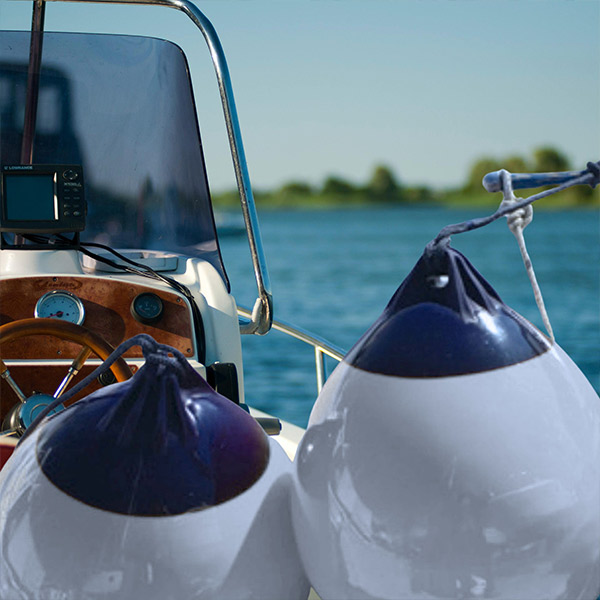
Different fender designs provide different levels of coverage and flexibility. Inflatable fenders use an air-filled structure to create a cushioning barrier, making them a practical option for selected recreational and commercial marine applications.
However, protection depends on choosing the correct product for the vessel, docking conditions, and expected contact forces.
Why Fender Placement Matters
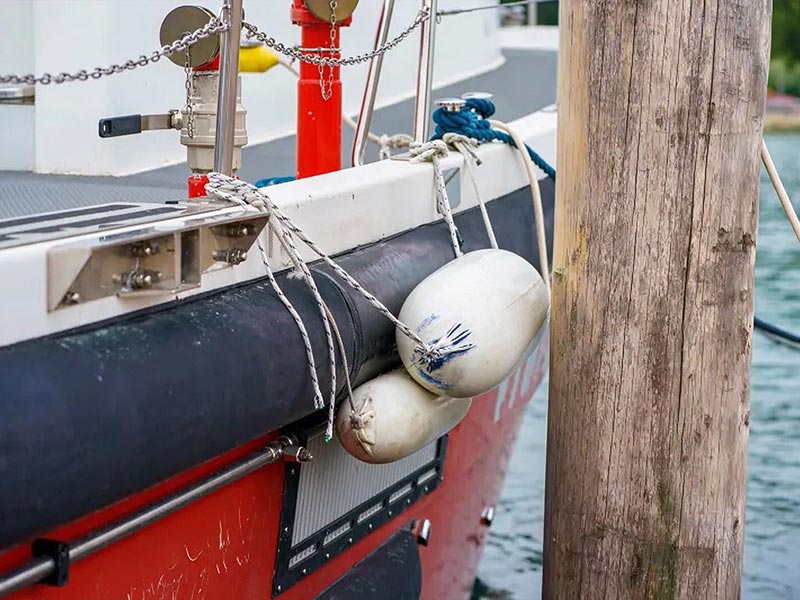
Even a suitable fender may provide limited protection if it is positioned incorrectly. Fenders should be placed near areas of the hull that are likely to contact the dock, pier, or neighboring vessel.
The required number and position depend on the vessel’s size, hull shape, dock height, and movement during mooring. Users should also ensure that fenders remain in the intended position as conditions change.
For inflatable models, the recommended inflation pressure and attachment method should follow the manufacturer’s instructions.
Selecting the Right Fender Material
Marine fenders are available in different materials and designs. PVC inflatable fenders are valued for their flexible construction and convenient storage options, depending on the product model.
When evaluating PVC fenders, buyers should review material specifications, seam construction, valve quality, and overall workmanship. Products intended for outdoor marine use should be selected according to their stated performance characteristics and operating conditions.
Regular inspection is important because wear, cuts, or air leakage may affect a fender’s ability to perform as intended.
Applications Across Marine Environments
Marine fenders are used in a wide range of settings, including:
Yachts and recreational boats: Help reduce direct contact during routine docking.
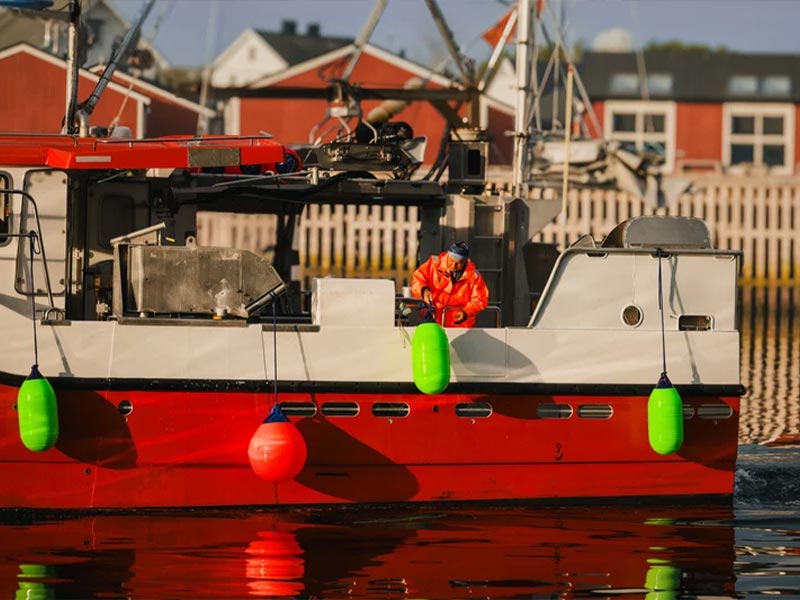
Fishing vessels: Provide a cushioning barrier during berthing and mooring.
Marinas and piers: Support vessel protection at common contact points.
Floating docks: Help manage contact between vessels and dock structures that move with water conditions.
Each application has different requirements, so buyers should consider vessel dimensions, contact conditions, and installation arrangements before selecting a product.
Quality Control and Product Reliability
For marine product distributors and wholesale buyers, product consistency is an important purchasing consideration. Reliable manufacturing processes and appropriate inspections help identify potential defects before shipment.
For inflatable fenders, checks may include visual inspection, valve assessment, and inflation or airtightness testing. Buyers should confirm the manufacturer’s actual testing procedures and product specifications rather than relying on general product descriptions alone.
Choosing a Suitable Marine Fender Supplier
Businesses sourcing marine fenders should evaluate product options, quality control, customization capabilities, and supply arrangements. An experienced manufacturer may support different sizes, colors, logo printing, and OEM/ODM services for specific market requirements.
Clear communication about specifications, packaging, order quantities, and delivery schedules can also help make bulk purchasing more efficient.
Conclusion
Marine fenders help reduce docking damage by creating a cushioning barrier between vessels and surrounding structures. Effective protection depends on selecting a suitable design, positioning fenders correctly, and maintaining them according to the manufacturer’s instructions.
For marine businesses, working with a supplier that provides clear specifications, consistent manufacturing, and appropriate quality inspection can support more reliable fender sourcing.