
Aqua Farm & Fishery Services WordPress Theme
Inflatable Fenders for Small Boats: A Practical Guide
Small boats are widely used for recreational boating, fishing, and short-distance travel. Despite their size, they can still experience scratches and impact damage when approaching docks, piers, or other vessels. Inflatable boat fenders provide a cushioning barrier that helps reduce direct contact during docking and mooring.
For boat owners, marine equipment retailers, and distributors, understanding the benefits and selection criteria of inflatable fenders can help ensure a better match for different boating needs.
Why Small Boats Need Fenders
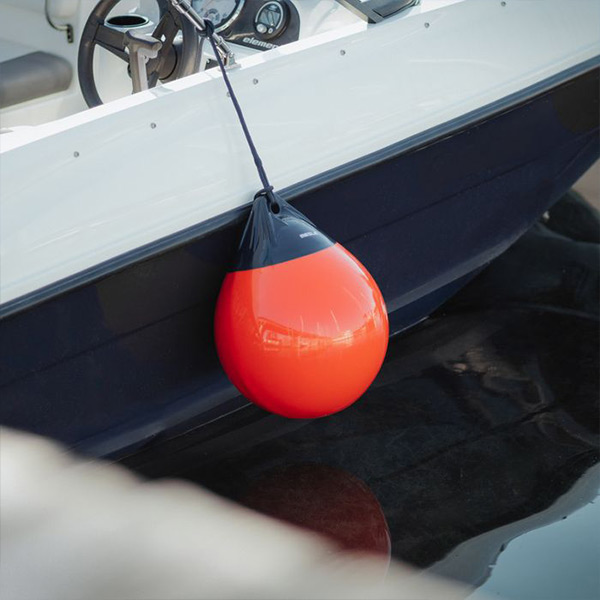
Even in calm conditions, a small boat may move unexpectedly due to wind, waves, or changes in water movement. Contact with hard dock surfaces can leave marks on the hull or damage exposed areas.
Positioning suitable fenders between the boat and surrounding structures helps absorb some of the contact force. The correct number, size, and placement depend on the boat’s dimensions, hull shape, and typical docking conditions.
Lightweight and Convenient to Handle
For small boat owners, ease of handling is an important consideration. Fenders should be simple to position, remove, and carry without taking up excessive space onboard.
Inflatable fenders can be convenient for users who need flexible storage options. Depending on the product design and manufacturer’s instructions, some models can be deflated when not in use, helping reduce storage volume.
This feature can be particularly useful for boats with limited onboard storage space.
Choosing the Right Fender Size
Selecting an appropriate fender size is essential. A fender that is too small may not provide enough coverage, while an unnecessarily large model may be difficult to handle or position.
Before purchasing, consider the following factors:
Boat size: Review the vessel’s length, width, and hull profile.
Docking conditions: Consider whether the boat usually uses a private dock, marina, or floating platform.
Contact points: Identify the areas most likely to touch surrounding surfaces.
Storage space: Check how much room is available for carrying and storing fenders.
Usage frequency: Consider how often the boat is docked, transported, or stored.
These factors can help buyers compare suitable options more accurately.
PVC Material and Construction Quality
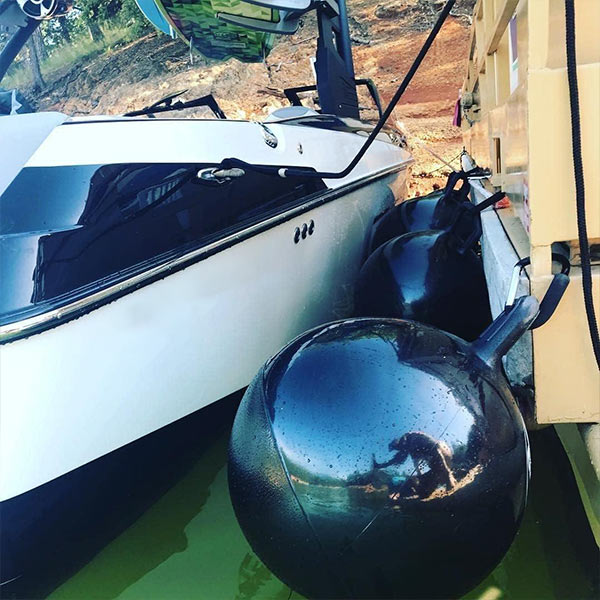
PVC is commonly used in inflatable marine products because it supports flexible product designs. However, the performance of an inflatable fender also depends on material specifications, seams, valves, and manufacturing quality.
Before purchasing, buyers should review the product specifications and ask about inspection procedures. Inflation and airtightness testing can help identify potential leakage issues before delivery.
Following the manufacturer’s inflation, cleaning, and storage instructions is also important for proper use.
Maintenance Tips for Everyday Use
Regular inspection can help keep inflatable fenders ready for use. After boating, remove dirt and surface residue with a suitable cleaning method, then allow the product to dry according to the manufacturer’s instructions.
Check the material, seams, and valve for visible damage before use. Maintain the recommended air pressure and avoid storing the product in conditions outside the manufacturer’s guidelines.
These simple practices can help users identify potential problems early.
Custom Options for Marine Product Buyers
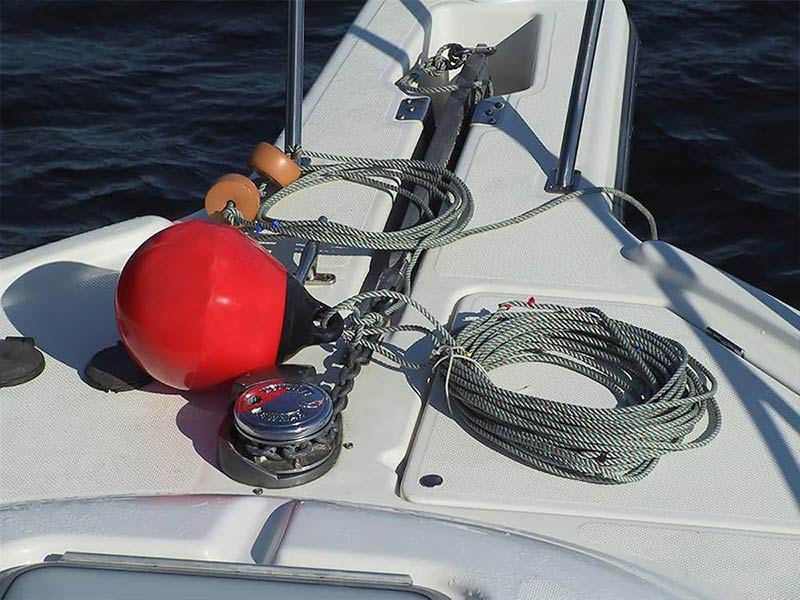
Retailers, distributors, and marine brands may require different sizes, colors, and logo designs for their target markets. An experienced inflatable fender manufacturer can help buyers discuss product specifications and OEM or ODM customization options.
For wholesale orders, it is also useful to confirm quality inspection procedures, packaging requirements, minimum order quantities, and production lead times before placing an order.
Conclusion
Inflatable fenders offer a practical cushioning solution for small boats when the product is selected and used appropriately. Boat dimensions, docking conditions, storage requirements, and construction quality should all be considered before purchasing.
By choosing suitable specifications and following proper maintenance instructions, boat owners and marine businesses can find inflatable fender solutions that fit their everyday boating needs.