
Aqua Farm & Fishery Services WordPress Theme
Yacht Fender Selection: What Should You Consider?
Choosing the right yacht fender is an important part of protecting a vessel during docking and mooring. When a yacht approaches a dock, pier, or another boat, movement caused by wind, waves, and changing water conditions may lead to unwanted contact. A suitable yacht fender provides a cushioning barrier that helps reduce direct contact and potential surface damage.
For yacht owners, marine equipment suppliers, and distributors, understanding the key selection factors can make purchasing decisions more effective.
1. Consider the Size of Your Yacht
Yacht dimensions are one of the first factors to consider when selecting fenders. Larger vessels may require larger or differently configured fenders, while smaller yachts may benefit from more compact options.
Buyers should consider the vessel’s length, hull profile, and typical docking arrangement. The goal is to select a fender that provides suitable coverage at common contact points without creating unnecessary handling difficulties.
2. Understand Your Docking Environment
Yachts may dock at marinas, private piers, floating docks, or alongside other vessels. Each environment presents different contact conditions.
For example, a yacht regularly using a marina may need fenders that are easy to position and remove. A vessel frequently visiting different docking locations may benefit from a design that is convenient to transport and store.
Understanding where and how the yacht will be used helps narrow down the available options.
3. Choose the Right Fender Shape and Position
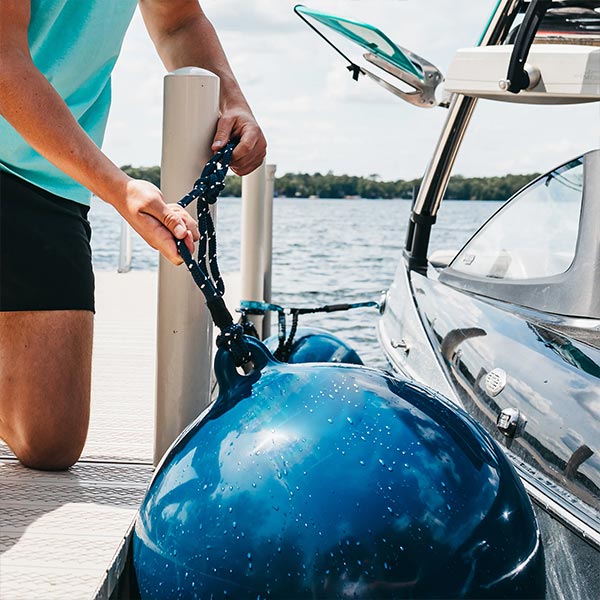
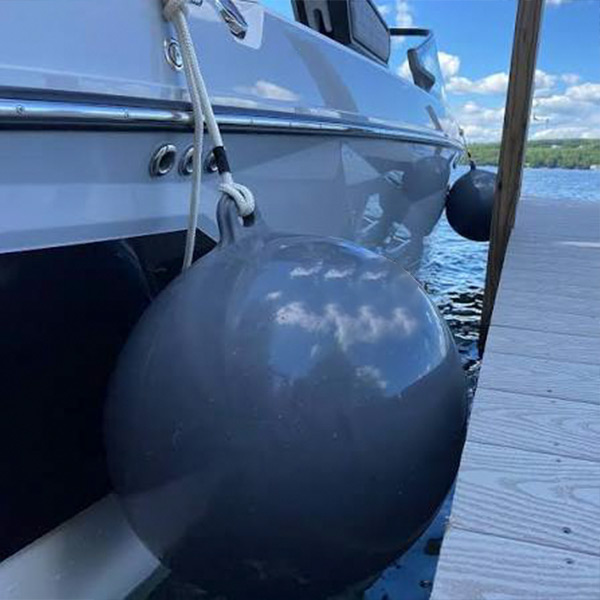
Fenders are available in different shapes and configurations to suit different vessel designs and docking requirements. The appropriate choice depends on the hull profile, available mounting points, and the areas most likely to contact surrounding structures.
Correct positioning is equally important. Placing fenders along vulnerable sections of the hull can help create a protective buffer during docking and mooring.
4. Evaluate Material and Construction Quality
Material quality can influence a fender’s durability, flexibility, and suitability for outdoor marine use. PVC inflatable yacht fenders are an option for buyers looking for flexible products that can be deflated for storage when appropriate.
When evaluating inflatable fenders, check the PVC material, seams, inflation valve, and overall construction. Buyers should also ask about quality inspection procedures, including inflation and airtightness checks.
Product specifications and care instructions should be reviewed before use.
5. Think About Storage and Maintenance
Storage is another practical consideration, particularly for yachts with limited onboard space. Some inflatable fenders can be deflated and stored when not in use, depending on their design and manufacturer instructions.
Routine cleaning and inspection can help identify visible wear or damage. Before each use, check the product’s condition and maintain the recommended air pressure.
6. Consider Customization and Supply Requirements
Marine brands, yacht equipment distributors, and wholesale buyers may need specific sizes, colors, or logo printing to match their product ranges.
Working with an experienced inflatable fender manufacturer can help buyers discuss product specifications and OEM or ODM requirements. For bulk purchasing, consistent quality, clear communication, and dependable production arrangements are also important.
Conclusion
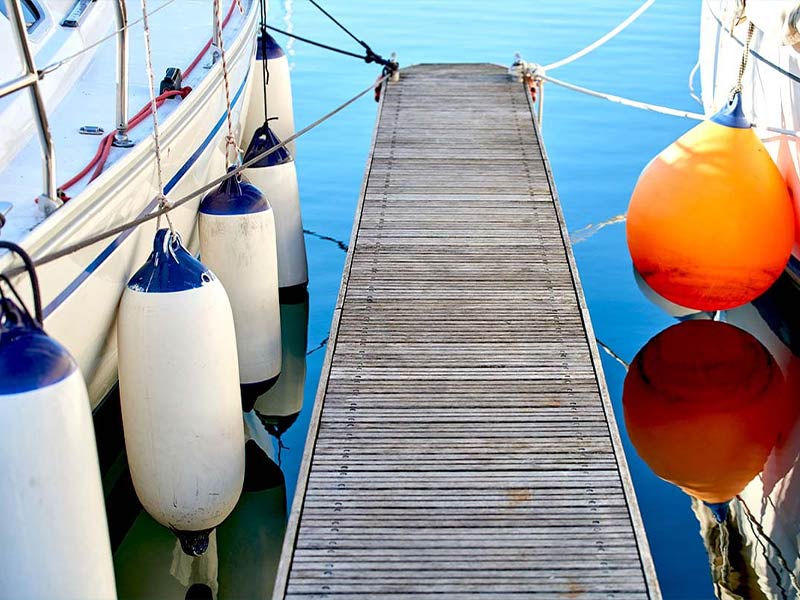
Selecting the right yacht fender involves more than choosing a product based on appearance. Yacht size, docking conditions, fender shape, material quality, storage needs, and customization requirements all contribute to the decision.
By reviewing these factors before purchasing, yacht owners and marine businesses can identify fender solutions that better match their vessels and operating environments.