
Aqua Farm & Fishery Services WordPress Theme
Boat Fenders for Marinas and Floating Docks
Marinas and floating docks serve a wide range of vessels, from small recreational boats to yachts and fishing boats. During docking and mooring, boats may come into contact with dock edges, neighboring vessels, or other structures. Boat fenders provide a protective buffer that helps reduce direct contact and supports safer everyday docking operations.
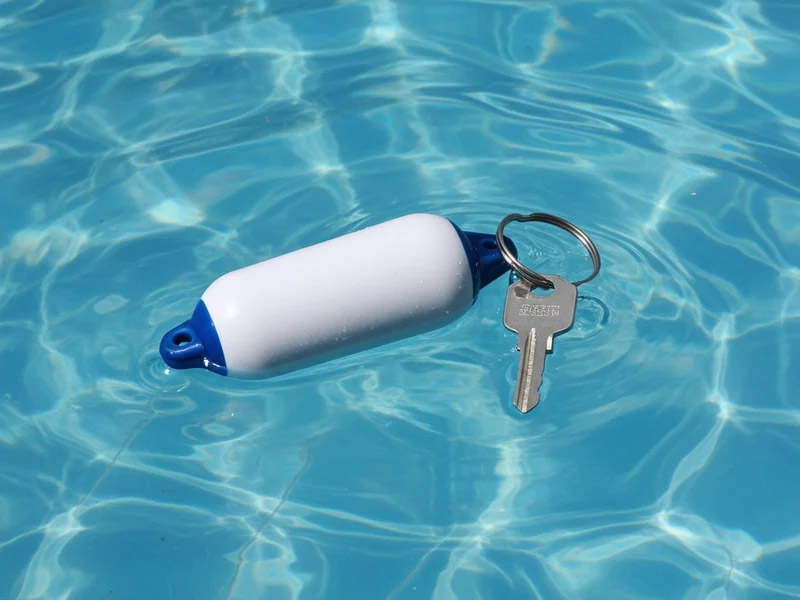
Why Marinas Need Reliable Fender Solutions
Marina environments often experience frequent vessel movement and changing water conditions. Wind, waves, and passing boats can cause vessels to shift against dock surfaces, increasing the risk of scratches and impact damage.
Installing suitable marine fenders at common contact points helps create a cushioning barrier between boats and dock structures. The right solution depends on the dock layout, vessel sizes, and expected contact conditions.
Inflatable Fenders for Floating Docks
Floating docks move with changing water levels and wave conditions. Boats moored alongside them may also move, making flexible protection an important consideration.
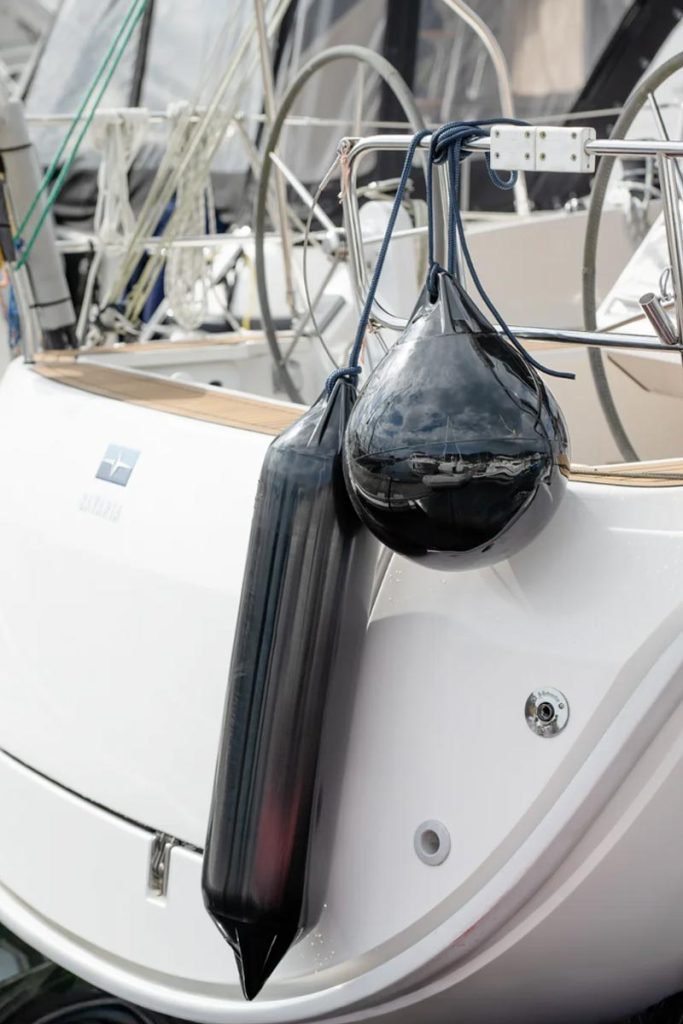
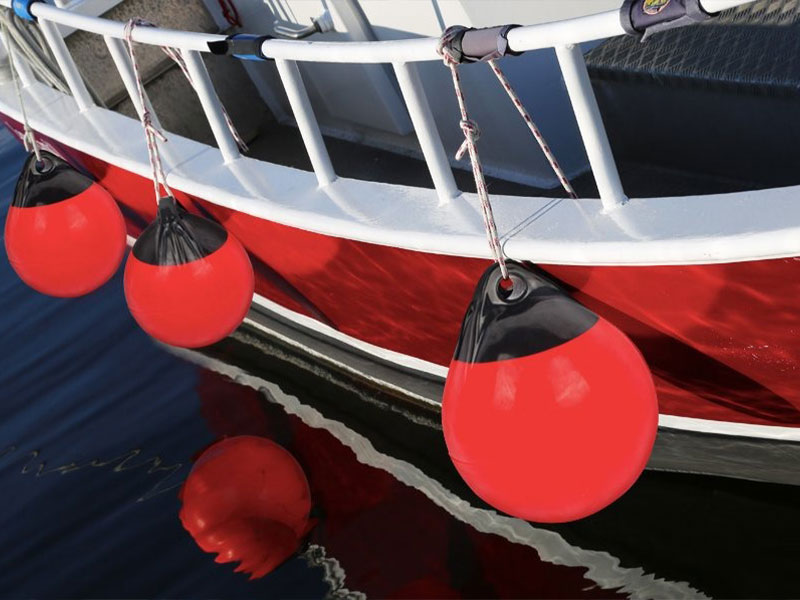
PVC inflatable fenders can be used in suitable floating dock applications to provide a cushioning layer between vessels and surrounding surfaces. Their inflatable design also makes them convenient to transport and store when they are not required.
Fender size, shape, inflation requirements, and mounting position should be considered before selecting a product for a specific installation.
Choosing the Right Fender Size and Design
Different marina facilities accommodate different types of vessels. Small boats may require compact fenders, while larger yachts may need products with dimensions and configurations suited to their docking arrangements.
Before purchasing, buyers should consider:
Vessel dimensions: Match the fender size to the boats using the dock.
Dock structure: Identify common contact points and available installation space.
Usage frequency: Consider how often vessels arrive, depart, and remain moored.
Storage requirements: Evaluate whether fenders need to be removed between uses.
Product configuration: Select a suitable shape and attachment method for the intended application.
These factors help buyers compare products more effectively and avoid choosing fenders based on size alone.
Material Quality and Product Inspection
Marine fenders are exposed to outdoor conditions, repeated handling, and regular contact with surrounding surfaces. Material selection and manufacturing quality therefore matter when evaluating long-term product suitability.
For PVC inflatable fenders, buyers should pay attention to material consistency, seams, valves, and airtightness. Appropriate inflation and water leak testing can help identify potential defects before shipment.
Regular inspection and proper storage can also help maintain product condition between uses.
Custom Fender Solutions for Marine Businesses
Marina equipment suppliers, distributors, and marine brands may require different sizes, colors, shapes, or logo placements to suit their markets. Working with an experienced inflatable product manufacturer can make it easier to discuss these requirements.
OEM and ODM services can support customized product development, while bulk supply options help businesses source products for different customer groups.
Conclusion
Boat fenders are a practical part of docking protection for marinas and floating docks. By considering vessel size, dock layout, material quality, and installation requirements, buyers can select products that better match their marine applications.
For distributors and marine businesses, working with a manufacturer that supports customization and quality inspection can help build a reliable supply of inflatable fender solutions.