
Aqua Farm & Fishery Services WordPress Theme
How Inflatable Fenders Help Reduce Docking Damage
Docking is one of the most common situations where boats and yachts can experience accidental contact with docks, piers, or other vessels. Even when docking is performed carefully, wind, waves, current, and limited maneuvering space can make contact difficult to avoid. Inflatable boat fenders provide a practical way to reduce the risk of damage by creating a cushioning layer between the vessel and surrounding structures.
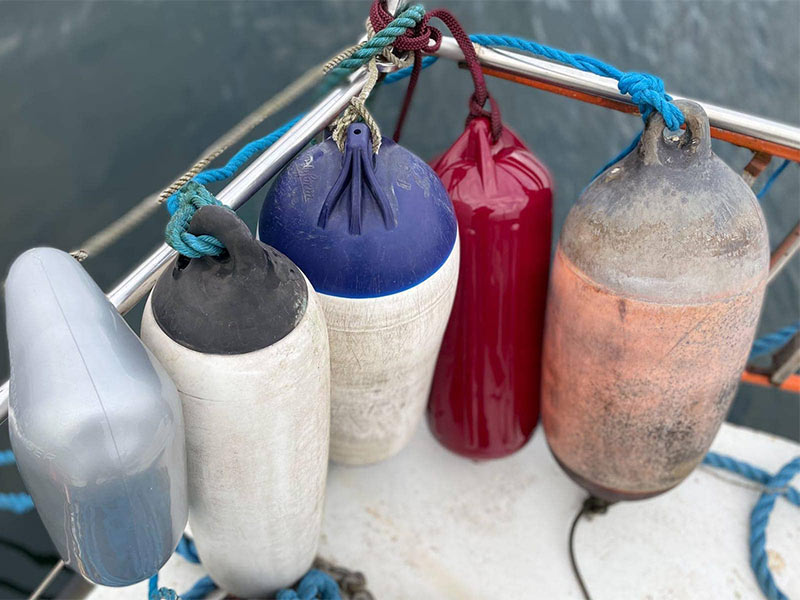
Creating a Protective Cushion
The main function of a marine fender is to absorb and reduce the force created when a boat comes into contact with a dock or another vessel. Inflatable fenders use air pressure inside the flexible PVC structure to provide cushioning during contact.
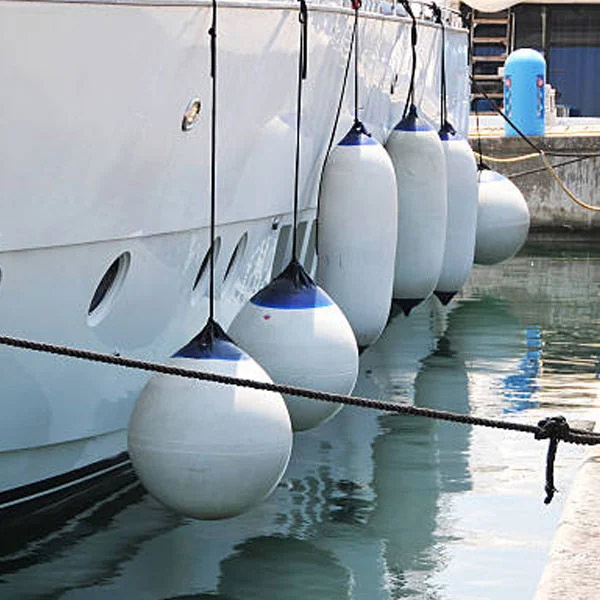
Instead of allowing the hull to directly hit a hard surface, the fender acts as a protective barrier. This can help reduce scratches, pressure marks, and other forms of minor docking damage.
Flexible Protection During Docking
One advantage of inflatable fenders is their flexibility. They can adapt to different contact angles and docking conditions, making them suitable for yachts, fishing boats, small vessels, and other marine applications.
Fenders can be positioned along areas of the hull that are more likely to come into contact with the dock. Proper positioning allows the fender to provide protection where it is needed most.
Proper Inflation Matters
The performance of an inflatable fender depends partly on maintaining suitable air pressure. A properly inflated fender can provide the intended cushioning effect, while insufficient or excessive inflation may affect its performance.
Before use, marine operators should check the fender for visible damage and confirm that it has been inflated according to the product requirements.
Material and Construction Are Important
The quality of the PVC material, seams, valves, and overall construction can directly affect the reliability of an inflatable fender. For marine applications, manufacturers need to pay attention to airtightness, material consistency, and production quality.
Quality inspection and inflation and water leak testing can help identify potential issues before products are delivered to customers.
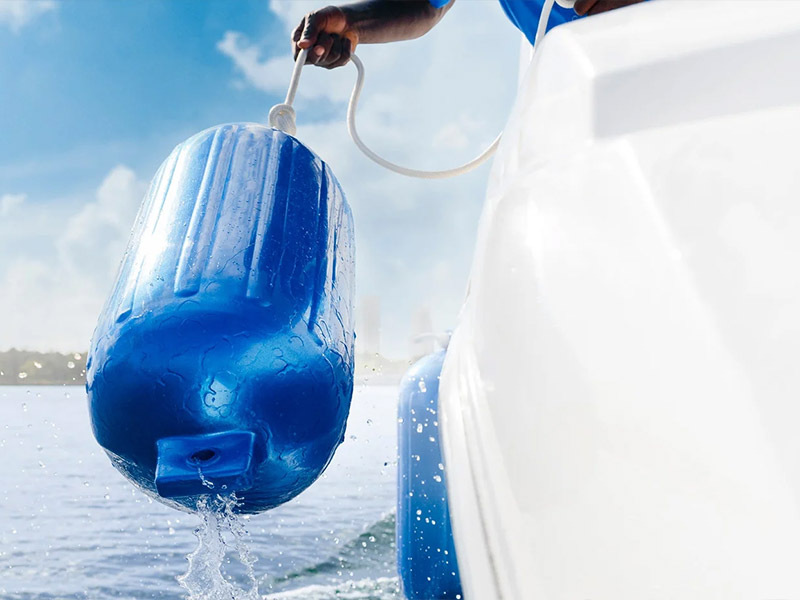
Suitable for Different Marine Applications
Inflatable fenders can be used in marinas, yacht docking, fishing operations, floating docks, and other marine environments. Their flexible design also makes them convenient for transportation and storage when they are not in use.
For marine distributors and equipment suppliers, different sizes, shapes, colors, and logo options can also support the needs of different markets.
Choosing a Reliable Fender Manufacturer
For businesses purchasing inflatable fenders in bulk, product quality and supply capability are important considerations. An experienced manufacturer can provide different product configurations and support OEM and ODM customization according to specific market requirements.
With suitable materials, reliable manufacturing processes, and proper quality control, inflatable boat fenders can provide practical protection during everyday docking operations.
Conclusion
Docking damage can occur even during routine marine operations. Inflatable boat fenders help create a cushioning barrier between vessels and hard surfaces, reducing direct contact and providing flexible protection.
By selecting the appropriate fender type, maintaining suitable air pressure, and choosing products with reliable PVC construction and quality control, boat owners and marine businesses can build a more practical docking protection solution.