
Aqua Farm & Fishery Services WordPress Theme
A Complete Guide to Boat Fender Types: A, F, D, G and HTM
Boat fenders come in different shapes and configurations to meet the protection requirements of different vessels and docking environments. For boat owners, marine distributors, and product buyers, understanding the differences between common fender types can make it easier to identify a suitable solution. Among PVC inflatable marine products, A, F, D, G, and HTM fenders are commonly designed for different applications.
A Type Boat Fenders
A Type fenders feature a practical inflatable design that can be used for general boat and marine protection. Their shape allows them to be positioned along areas of a vessel that may come into contact with docks or other boats.
They can be suitable for recreational boats, yachts, and other marine applications where flexible cushioning is required.
F Type Boat Fenders
F Type fenders are designed with a different structural profile and can provide protection along specific areas of a vessel. Their shape may make them suitable for applications where a longer or more directional protective surface is required.
The appropriate size and configuration should be selected according to the vessel and intended installation position.
D Type Boat Fenders
D Type fenders have a distinctive D-shaped profile and are often considered for applications where side protection is required. Their structure can provide a stable contact surface between the vessel and surrounding structures.
Depending on the product design, D Type fenders may be used on boats, docks, and other marine structures.
G Type Boat Fenders
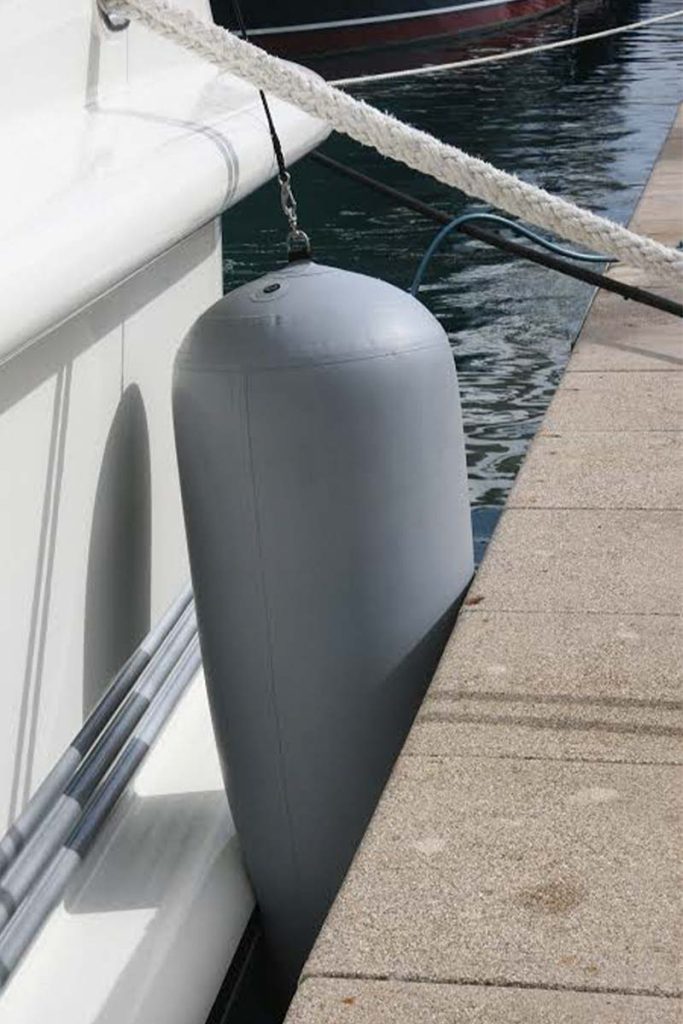
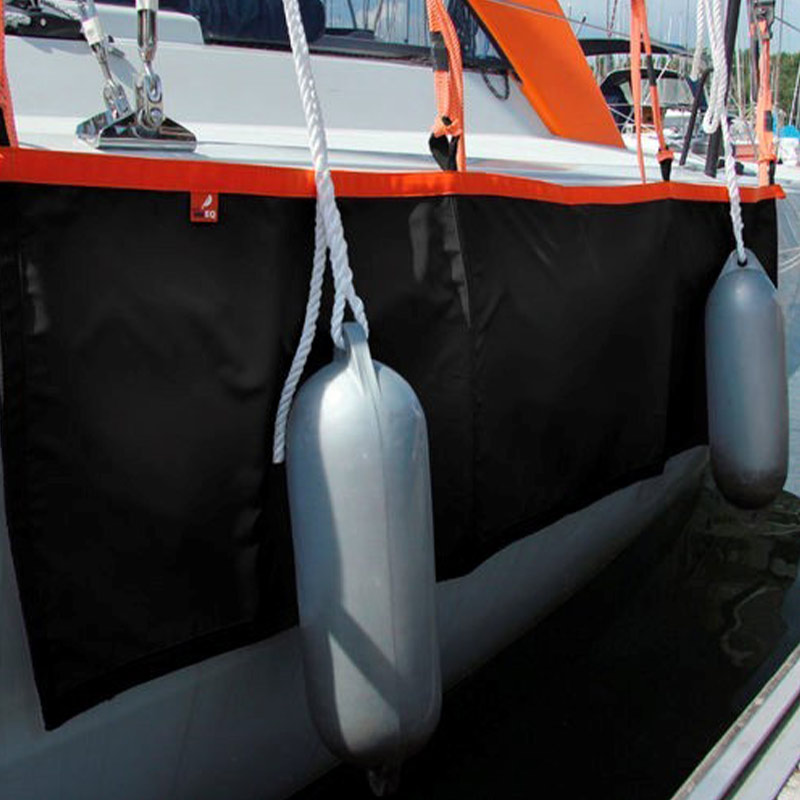
G Type fenders offer another configuration for marine protection. Their design can be adapted to different vessel and docking requirements, making them useful for applications where standard cylindrical fenders may not provide the desired coverage.
As with other inflatable fenders, material quality, dimensions, inflation pressure, and attachment methods should be considered before selection.
HTM Type Fenders
HTM fenders are another specialized configuration within inflatable marine protection products. They can be developed for specific vessel or docking requirements where a particular shape or installation method is needed.
For commercial buyers, understanding the intended application of each configuration is important before placing a bulk order.
How to Select the Right Type
There is no single fender type suitable for every vessel. Buyers should consider the boat’s size, hull design, docking environment, available installation space, frequency of use, and required protection area.
For distributors and marine product brands, customization may also be important. Size, color, logo, fittings, and packaging can potentially be adjusted according to specific project requirements.
Work with an Experienced Manufacturer
Product design is only one part of a reliable inflatable fender solution. Material consistency, seam quality, airtightness, dimensional accuracy, and final inspection are also important during manufacturing.
Wuxi Fanshuang International Co., Ltd. specializes in PVC inflatable products and provides OEM and ODM manufacturing services for customers in global markets. With more than 20 years of manufacturing experience, Fanshuang supports customized inflatable products for marine and other applications.
Conclusion
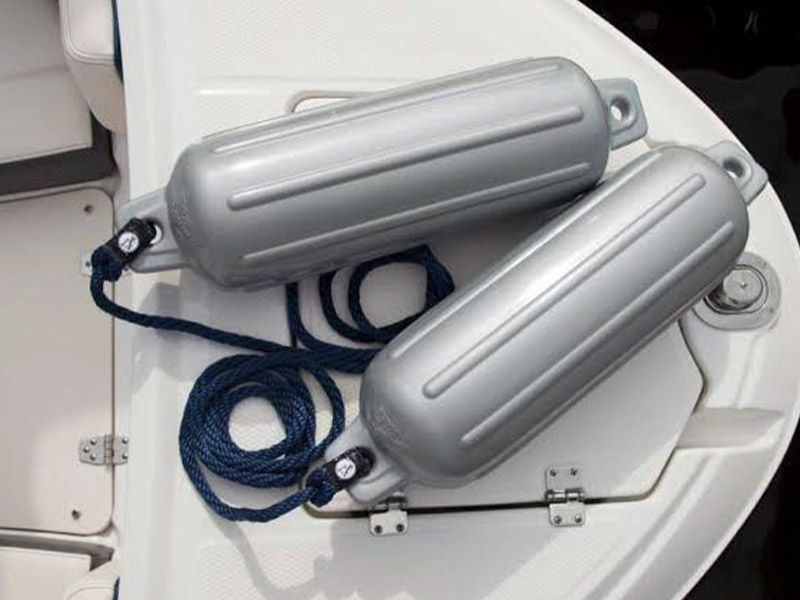
A, F, D, G, and HTM fenders represent different approaches to inflatable marine protection. Understanding their structural characteristics and intended applications can help buyers communicate their requirements more clearly and select suitable products for different vessels and docking environments.