
Aqua Farm & Fishery Services WordPress Theme
How to Store and Maintain Inflatable Boat Fenders
Inflatable boat fenders are exposed to water, sunlight, friction, and frequent handling during normal marine use. Proper cleaning, inspection, and storage can help keep them in good condition and support consistent performance. For boat owners, yacht operators, and marine businesses, a simple maintenance routine can make inflatable fenders easier to manage throughout their service life.
Clean the Fender After Use
After using an inflatable boat fender, especially in saltwater, it is helpful to remove surface dirt, salt, and other residues. Rinsing the product with clean water can reduce the buildup of contaminants on the surface.
A soft cloth or suitable cleaning method can be used to remove dirt without unnecessarily damaging the PVC surface. Strong chemicals or abrasive tools should be avoided unless they are specifically recommended for the material.
Check for Visible Damage
Regular inspection is an important part of inflatable fender maintenance. Before storage, check the surface for cuts, scratches, unusual deformation, or other visible damage.
Pay particular attention to seams, valves, handles, attachment points, and areas that experience frequent contact. Early identification of potential problems can make maintenance easier and help prevent minor issues from becoming more serious.
Check Air Pressure
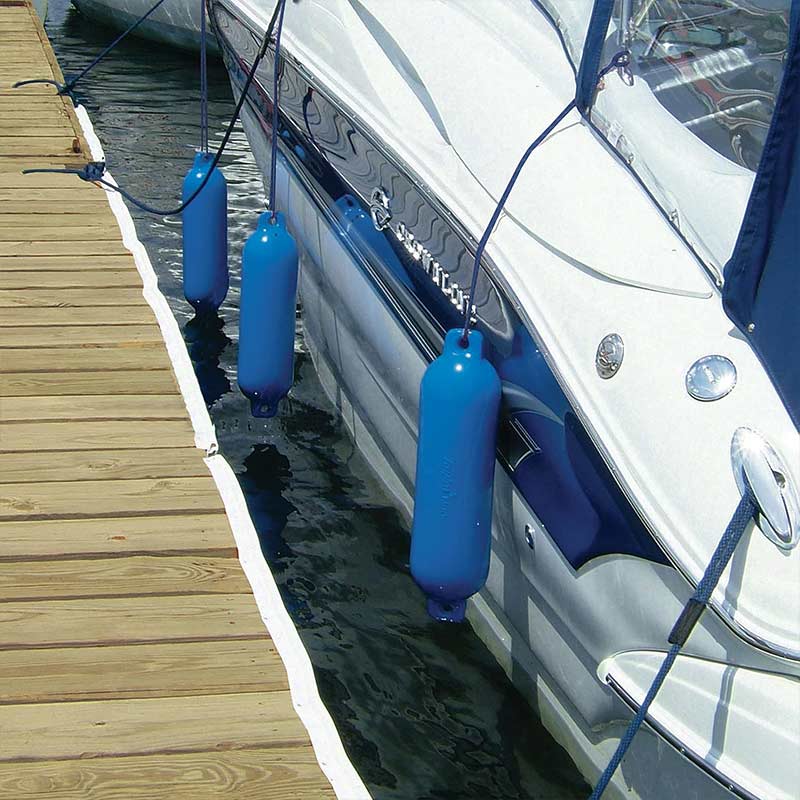
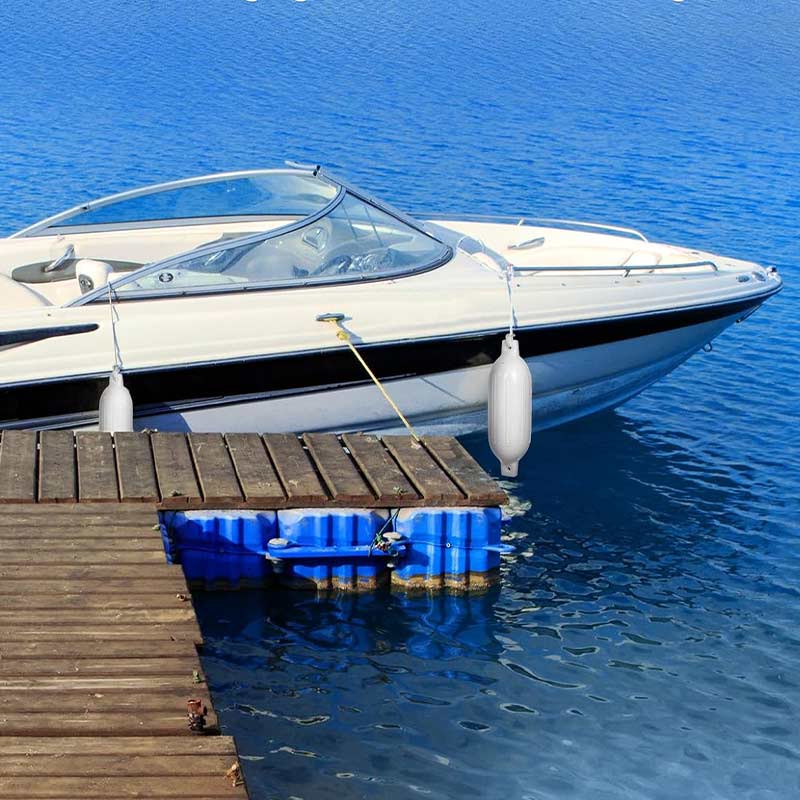
Proper inflation is important for an inflatable fender to provide its intended cushioning performance. Before use, check whether the product maintains suitable pressure according to the manufacturer’s specifications.
If pressure changes noticeably over a short period, the valve, seams, or product surface should be inspected. Pressure requirements can vary between different fender designs, so users should always follow the manufacturer’s instructions.
Deflate Before Long-Term Storage
When inflatable fenders are not required for an extended period, deflation can make storage more convenient. Once deflated, the product can take up less space and become easier to transport or organize.
Before folding or rolling the fender, make sure the surface is clean and dry. Avoid placing heavy objects on top of stored inflatable products, as prolonged pressure may affect their shape.
Store in a Suitable Environment
Inflatable boat fenders should ideally be stored in a clean, dry, and well-ventilated area. Long-term exposure to direct sunlight, excessive heat, sharp objects, or harsh chemicals should be avoided.
Keeping products away from unnecessary sources of abrasion can also help protect the PVC surface during storage.
Choose Quality Products from a Reliable Manufacturer
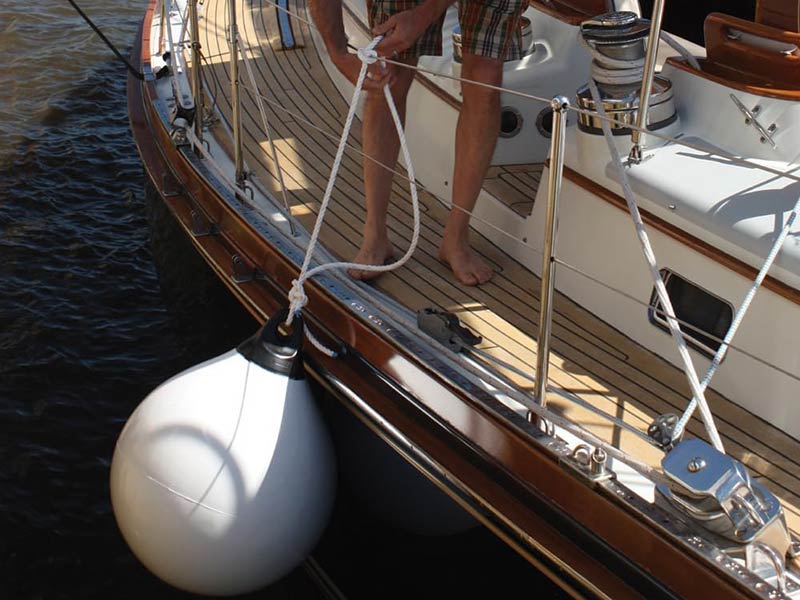
Maintenance begins with product quality. Consistent PVC material, strong seams, reliable valves, and appropriate manufacturing processes can all influence the durability of an inflatable fender.
For distributors and marine product businesses, working with an experienced manufacturer can also provide access to customized specifications, quality inspection, and OEM/ODM support.
Wuxi Fanshuang International Co., Ltd. has more than 20 years of manufacturing experience in inflatable products and provides customized PVC inflatable solutions for customers in global markets.
Conclusion
Proper maintenance and storage can help keep inflatable boat fenders ready for future use. Regular cleaning, visual inspection, pressure checks, correct deflation, and suitable storage conditions are simple but useful steps for protecting the product and maintaining its condition over time.