
Aqua Farm & Fishery Services WordPress Theme
How PVC Material Performs in Marine Environments
Marine products are exposed to demanding outdoor conditions. Saltwater, sunlight, moisture, abrasion, and frequent handling can all affect product performance over time. For inflatable marine products, choosing a suitable material is therefore an important part of product design and manufacturing. PVC is widely used in inflatable products because it offers a practical combination of flexibility, durability, and versatility.
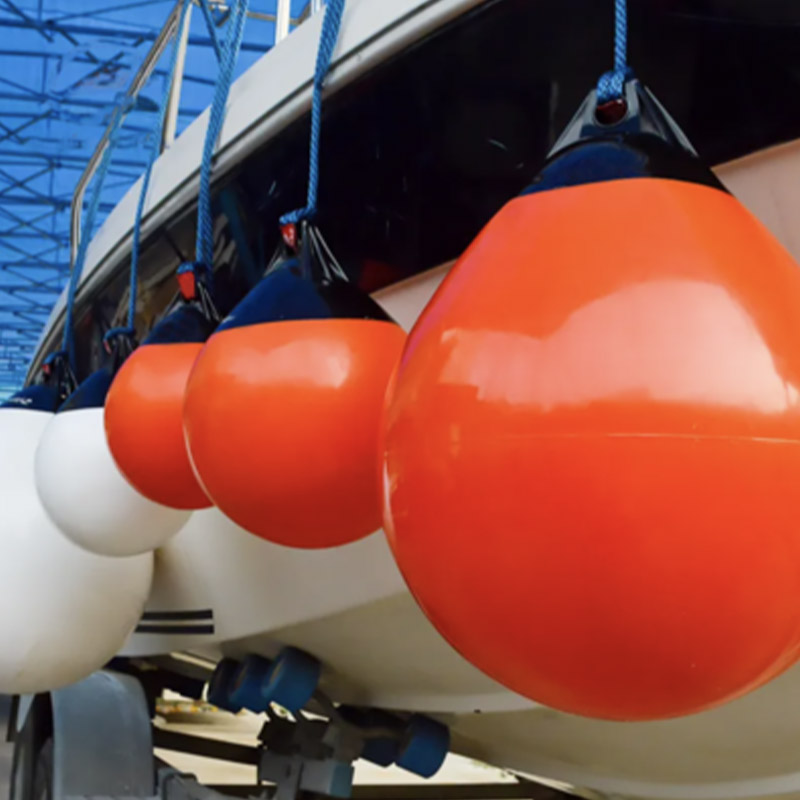
Flexibility for Inflatable Applications
One of the key characteristics of PVC is its flexibility. This allows PVC materials to be formed into different shapes and structures while maintaining the properties required for inflatable products.
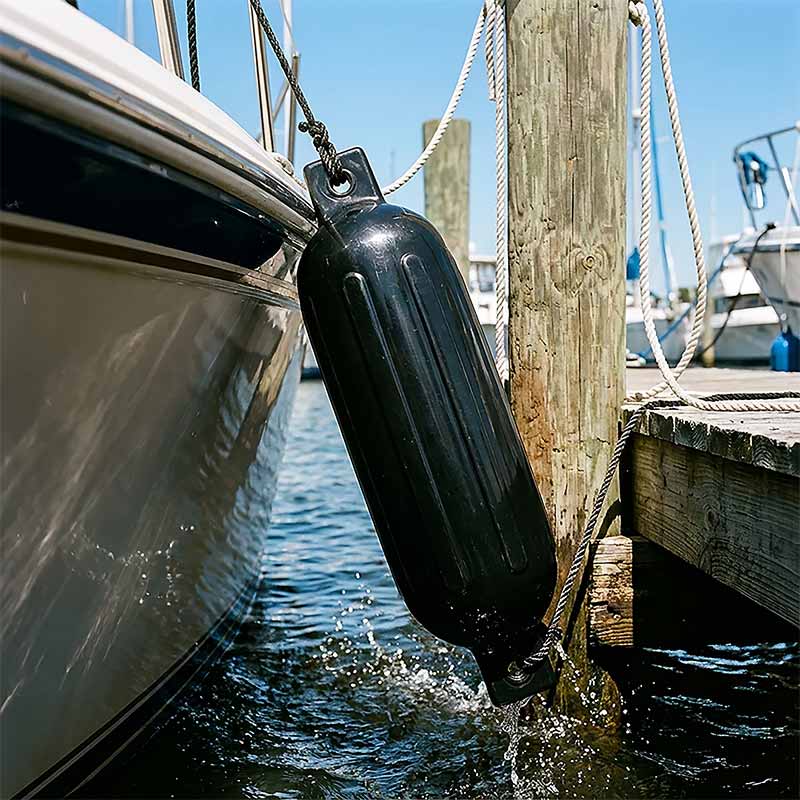
For boat fenders, buoys, inflatable boats, and other marine products, flexibility is important because the product may need to absorb contact, change shape under pressure, or be folded for transportation and storage.
Resistance to Outdoor Conditions
Marine inflatable products are often used outdoors for extended periods. Exposure to sunlight and changing weather conditions can place additional demands on the material.
The performance of a PVC product depends on its specific formulation, thickness, surface treatment, and manufacturing process. For applications involving regular outdoor use, buyers should consider properties such as UV resistance, abrasion resistance, and resistance to water and moisture.
Suitable for Different Product Designs
PVC can be manufactured into a wide range of inflatable product designs. This versatility allows manufacturers to develop different sizes, shapes, colors, and structures according to specific application requirements.
For example, marine fenders may require reinforced areas around handles, valves, or attachment points, while other inflatable products may require different construction methods. Material selection and product design therefore need to work together.
Why Manufacturing Quality Matters
Even a suitable material cannot guarantee product performance without proper manufacturing. Heat-sealed seams, reinforced sections, valves, fittings, and airtightness all require careful production control.
For inflatable marine products, quality inspection should cover both the material and the finished product. Pressure testing and seam inspection can help identify potential issues before products are delivered to customers.
PVC for Customized Marine Products
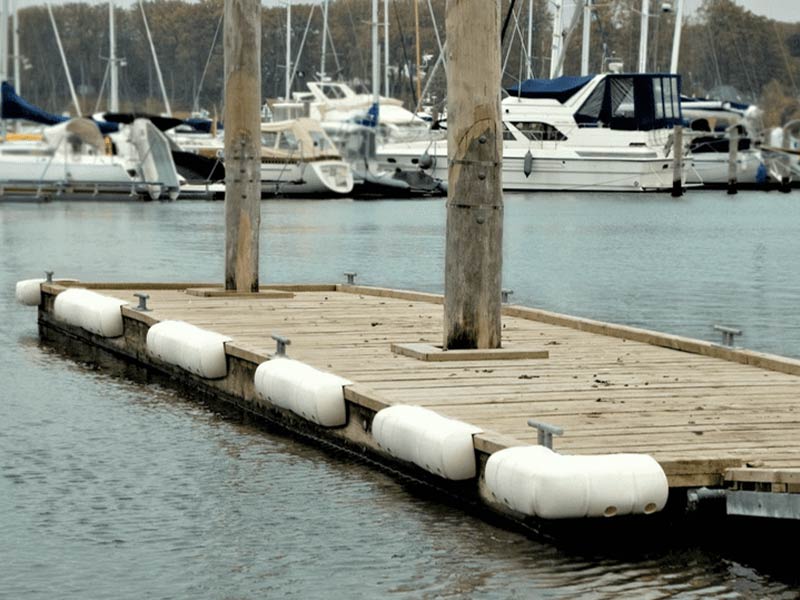
Another advantage of PVC is its suitability for customized manufacturing. Depending on the project, manufacturers can develop products in different colors, dimensions, shapes, and configurations. Custom logos and packaging can also support private-label and OEM projects.
For distributors and marine brands, this flexibility makes PVC inflatable products suitable for developing products around specific market requirements rather than relying only on standard designs.
Working with an Experienced Manufacturer
Choosing the right manufacturing partner is an important step when developing PVC inflatable products. Production experience, material control, quality inspection, customization capability, and delivery management can all influence the final result.
Wuxi Fanshuang International Co., Ltd. has more than 20 years of manufacturing experience in inflatable products and provides OEM and ODM solutions for customers in global markets. The company supports customized PVC inflatable products for marine, water sports, and other applications.
Conclusion
PVC provides a versatile material solution for many inflatable marine products. Its flexibility, outdoor performance, and customization potential make it suitable for applications ranging from boat fenders and buoys to other inflatable products. However, material selection should always be considered together with product design, manufacturing processes, and quality control.