
Aqua Farm & Fishery Services WordPress Theme
How to Choose the Right Boat Fender for Your Vessel
Choosing the right boat fender is an important part of protecting your vessel during docking and mooring. A fender that is too small may not provide enough cushioning, while an unsuitable shape or design may be difficult to position correctly. Before purchasing inflatable boat fenders, buyers should consider several practical factors, including vessel size, docking conditions, fender dimensions, and frequency of use.
Consider Your Vessel Size
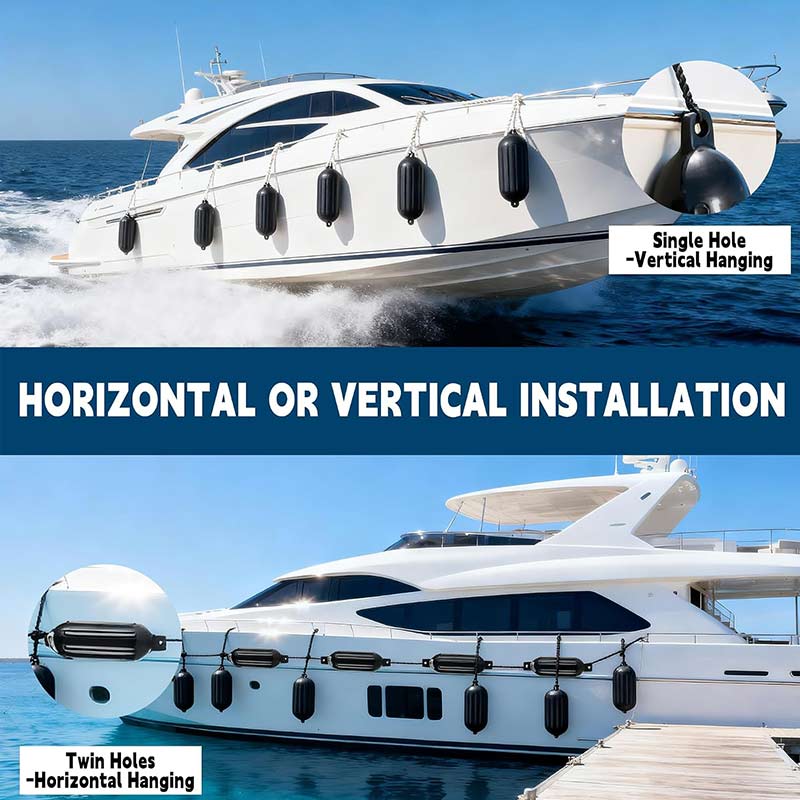
The size of the boat is one of the first factors to consider when selecting a marine fender. Larger and heavier vessels may require larger or multiple fenders to provide adequate protection along the hull.
Smaller boats and yachts may have different requirements, especially when onboard storage space is limited. Buyers should consider the vessel’s overall dimensions and identify the areas that are most likely to come into contact with docks, piers, or other vessels.
Choose the Appropriate Fender Size
Fender dimensions should match the intended application. A longer or larger inflatable fender can cover a wider contact area, while smaller fenders may be easier to position in limited spaces.
There is no universal size that works for every vessel. Buyers should review the manufacturer’s product specifications and consider the vessel size, docking environment, and expected contact conditions before making a final selection.
Think About the Docking Environment
Where a boat is normally used can also affect fender selection. A yacht frequently visiting marinas may have different requirements from a fishing boat operating in a working harbor.
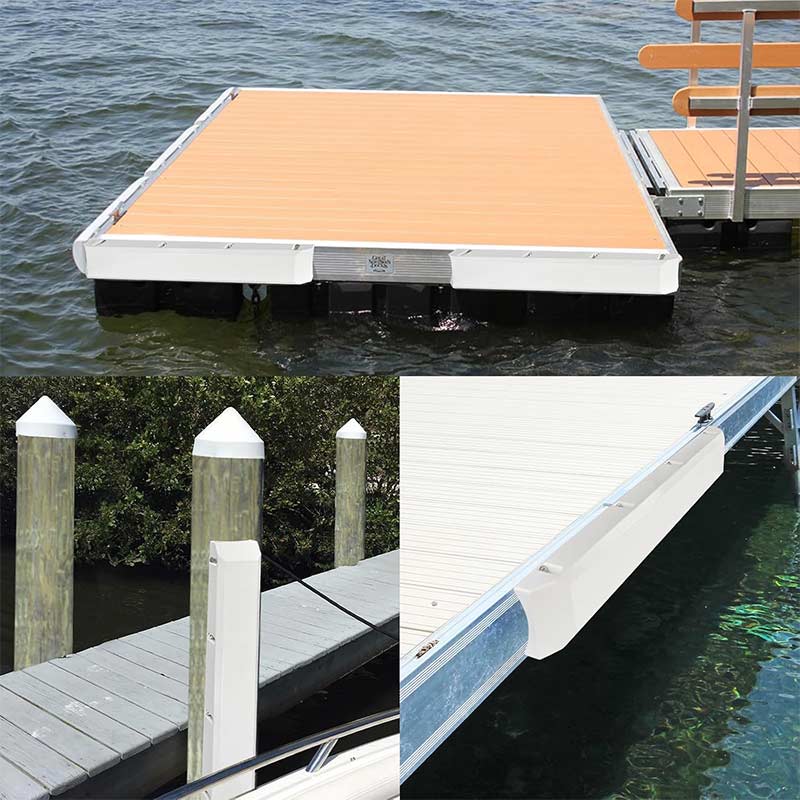
Floating docks, fixed piers, narrow berths, and vessel-to-vessel contact can all create different protection needs. Understanding the actual operating environment helps buyers select a more suitable fender configuration.
Consider Shape and Positioning
Boat fenders are available in different shapes and designs. Depending on the vessel and installation position, buyers may consider cylindrical, D-shaped, F-shaped, or other inflatable configurations.
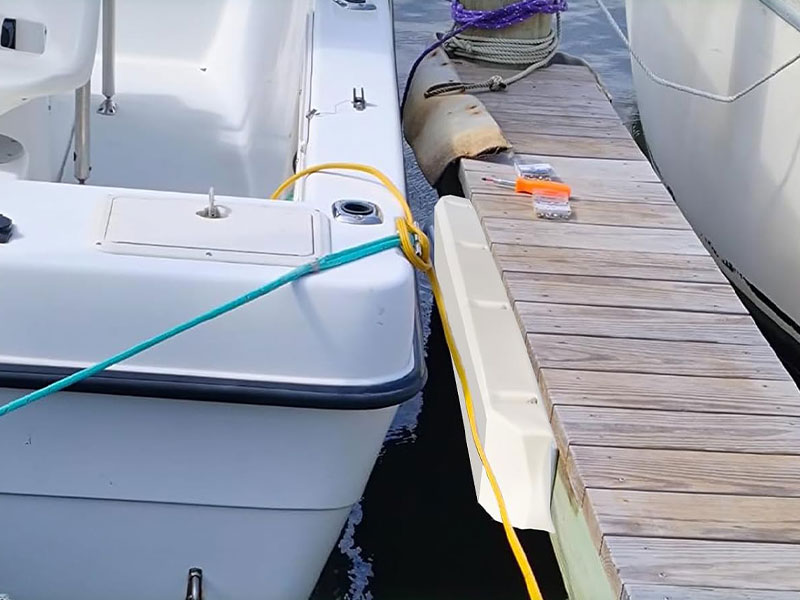
The fender should be positioned so that it creates an effective buffer between the hull and the surrounding structure. Multiple fenders may also be used when wider protection is required.
Check Material and Construction
Material quality is another important consideration. For PVC inflatable boat fenders, buyers should pay attention to PVC quality, seam construction, airtightness, and overall manufacturing consistency.
Features such as UV resistance, abrasion resistance, and water resistance may also be relevant depending on the intended operating environment.
Consider Customization and Supply
For distributors, retailers, and marine brands, standard products may not always meet specific market requirements. Custom sizes, colors, logos, packaging, and other specifications can be developed through OEM or ODM cooperation.
Wuxi Fanshuang International Co., Ltd. specializes in PVC inflatable products and supports OEM and ODM projects for customers in global markets. With more than 20 years of manufacturing experience, Fanshuang provides customized solutions for different product and application requirements.
Conclusion
Selecting the right boat fender requires more than simply choosing a size. Vessel dimensions, docking conditions, product shape, material, positioning, and customization requirements should all be considered. By evaluating these factors carefully, buyers can select inflatable marine fenders that better match their specific applications.